Community health security
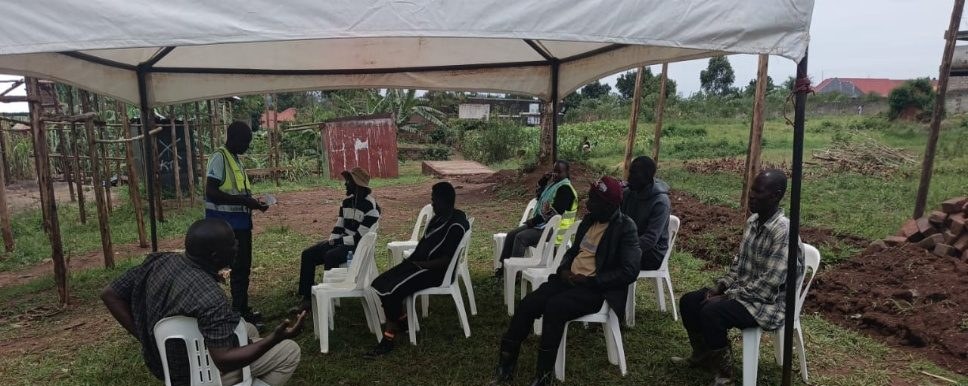
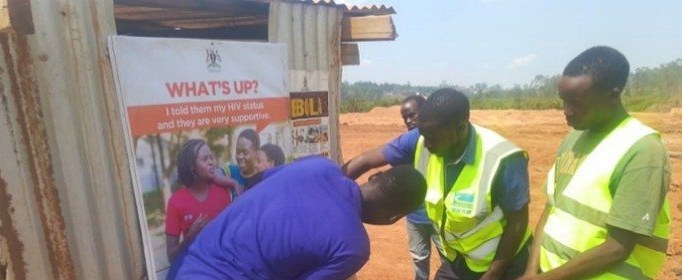
Community Health Living (COHEAL) strengthens Village Health Teams (VHTs), Community Health Extension Workers (CHEWs) and local community structures so communities in Uganda can detect, report and respond to disease outbreaks and disasters within hours, not weeks.
Why it matters
Uganda borders countries with active outbreaks and hosts more refugees than any other country in Africa. Its highlands and floodplains face landslides, floods and drought that climate change is making worse.
Between January and November 2023, at least 1,066 lives were lost to natural and man-made disasters, many of them avoidable with early warning and timely response.
First line of defence
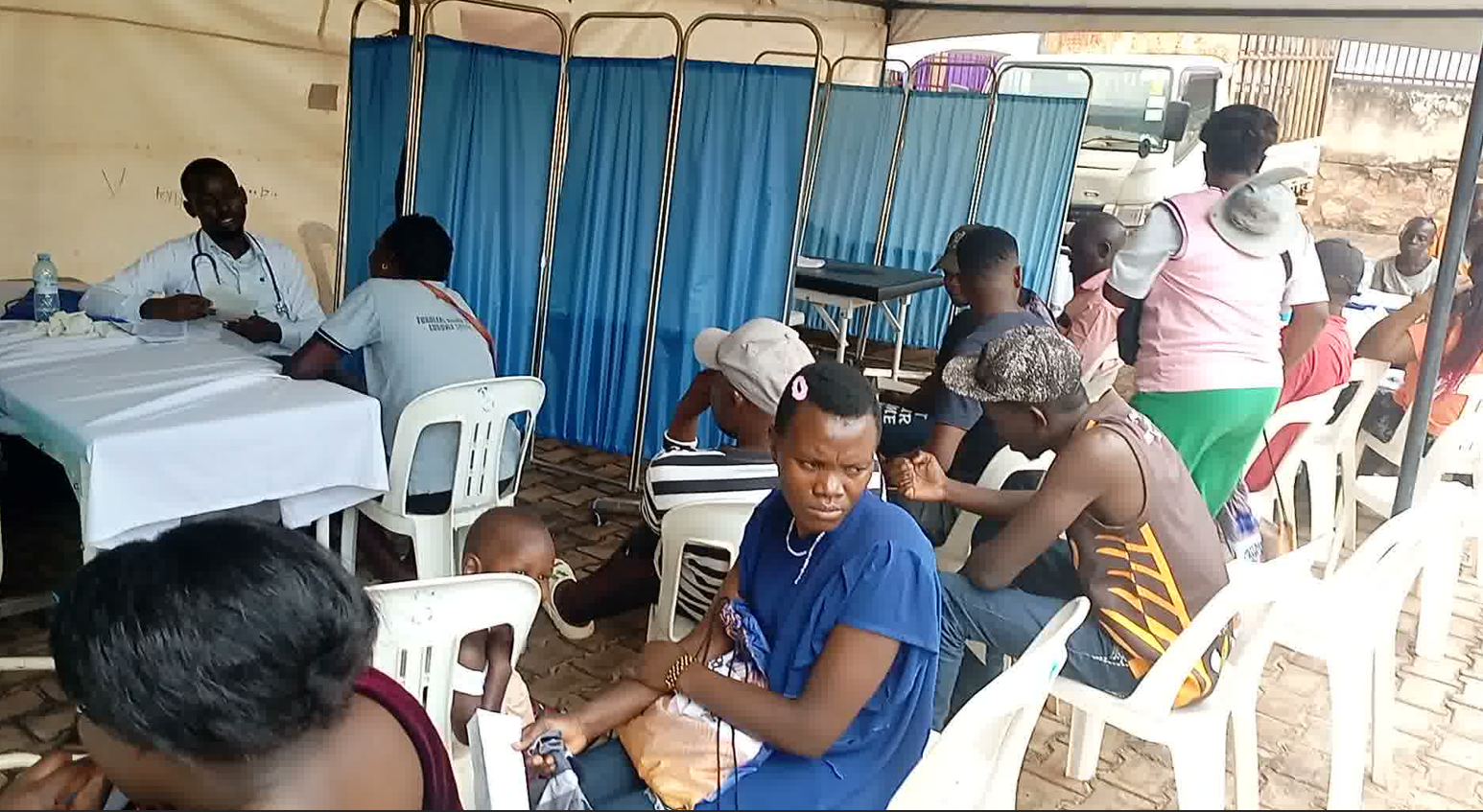
Every outbreak and disaster begins in a household, a village or a border crossing, long before it reaches a hospital. The people who see it first are the community health workers their neighbors trust.
But the system is stretched - with gaps in VHT capacity building, supervision, transport, supplies, motivation and retention, with little or no support. When an emergency hits, under-equipped VHTs cannot detect, report or respond fast enough. That is the gap COHEAL exists to close.
The backbone of Uganda's community health system since 2001. Trusted volunteers who link families to health facilities, treat common childhood illnesses and collect and report health data in their villages.
Uganda's newer, paid and professionally trained cadre. CHEWs supervise VHTs and use the national electronic Community Health Information System (eCHIS) for real-time reporting.
Health Unit Management Committees, local councils, religious and cultural leaders and district disaster and health task forces turn early warnings into community action.
It works
During the 2026 Ebola outbreak, Uganda followed up more than 800 contacts and stopped local spread within weeks, while next-door DRC recorded thousands of cases.
Communities are trusted and public health systems reach people quickly. Africa CDC, on Uganda's 2026 Ebola response
But the system is stretched. Studies and Ministry of Health assessments have repeatedly found gaps in VHT training, supervision, transport, supplies, motivation and retention, with much of the support depending on outside partners. When an emergency hits, under-equipped VHTs cannot detect, report or respond fast enough.
That is the gap Community Health Living exists to close.
Areas of focus
Focus area 1
We support CHWs to catch outbreaks in the village, before they reach the hospital.
The first alert should come from the village, not the hospital. VHTs and CHEWs are trained to spot warning signs, report immediately and support the district response, so outbreaks are contained early.
Focus area 2
COHEAL gets villages ready for floods, landslides and other hazards before they strike.
We help communities map local hazards such as landslide slopes, flood zones and lightning hotspots, agree evacuation routes and safe spaces, and link village early warning to district disaster management committees.
We pre-position basic response kits, run regular drills and support VHTs to keep essential health services running during emergencies - in displacement camps and refugee-hosting communities.
Ebola and other infectious diseases are still spreading next door, the rains bring landslides and floods every season, and more than 2 million refugees depend on stretched services. Help us make sure that when it comes, every village has a trained, equipped health worker ready to act.