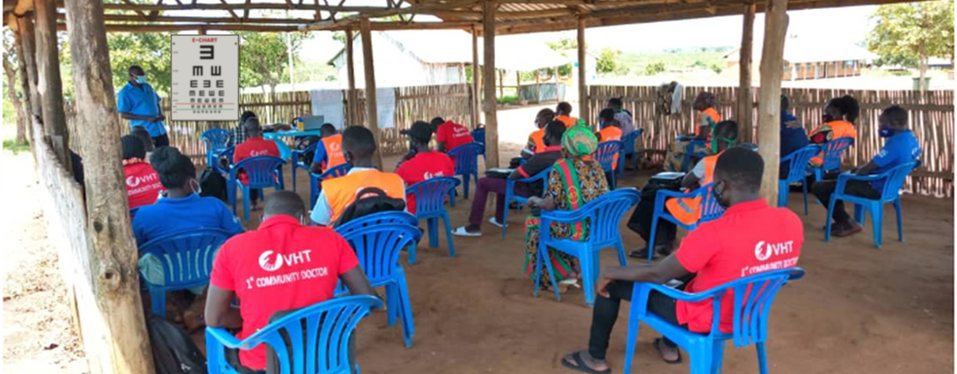
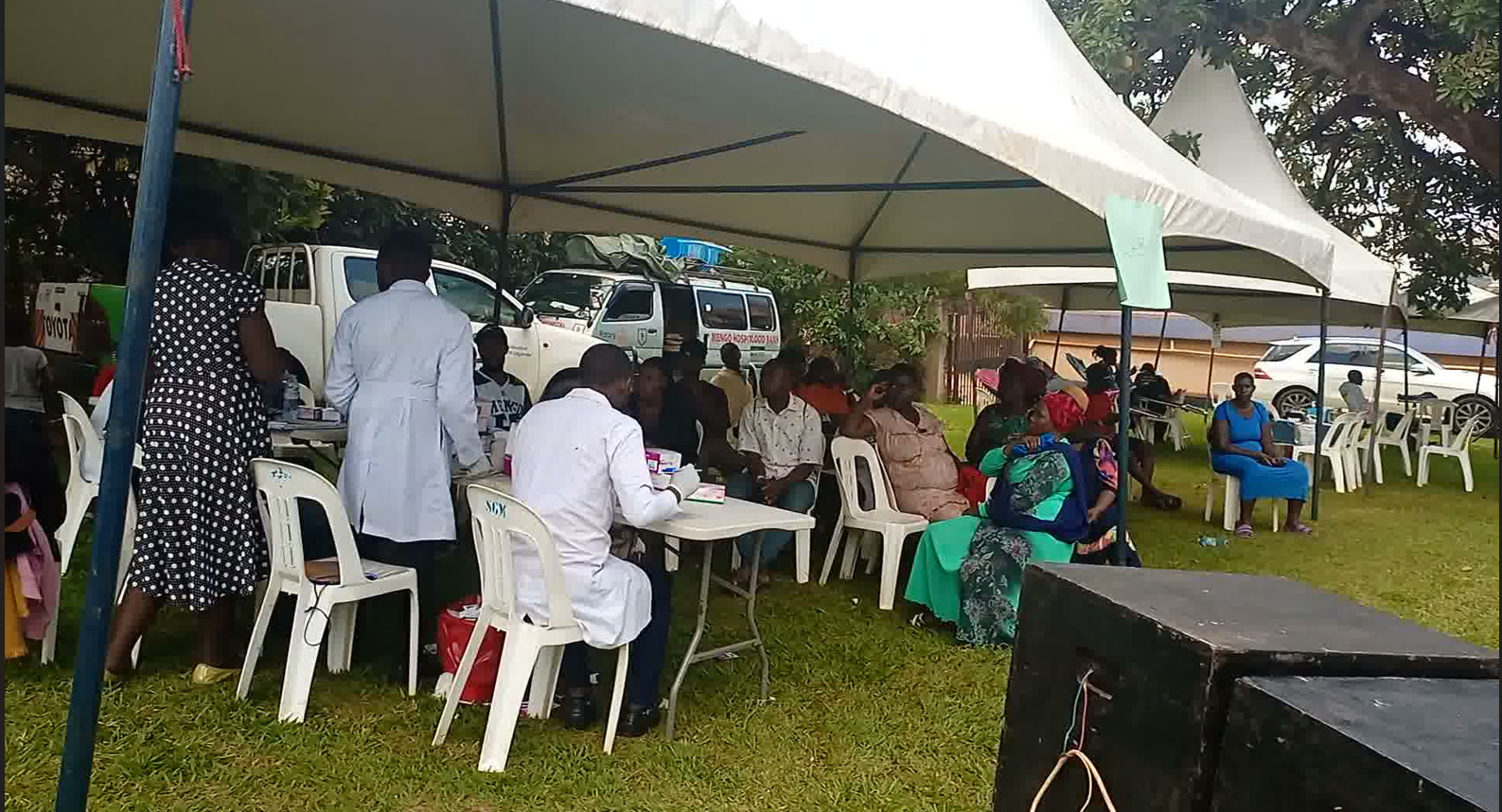
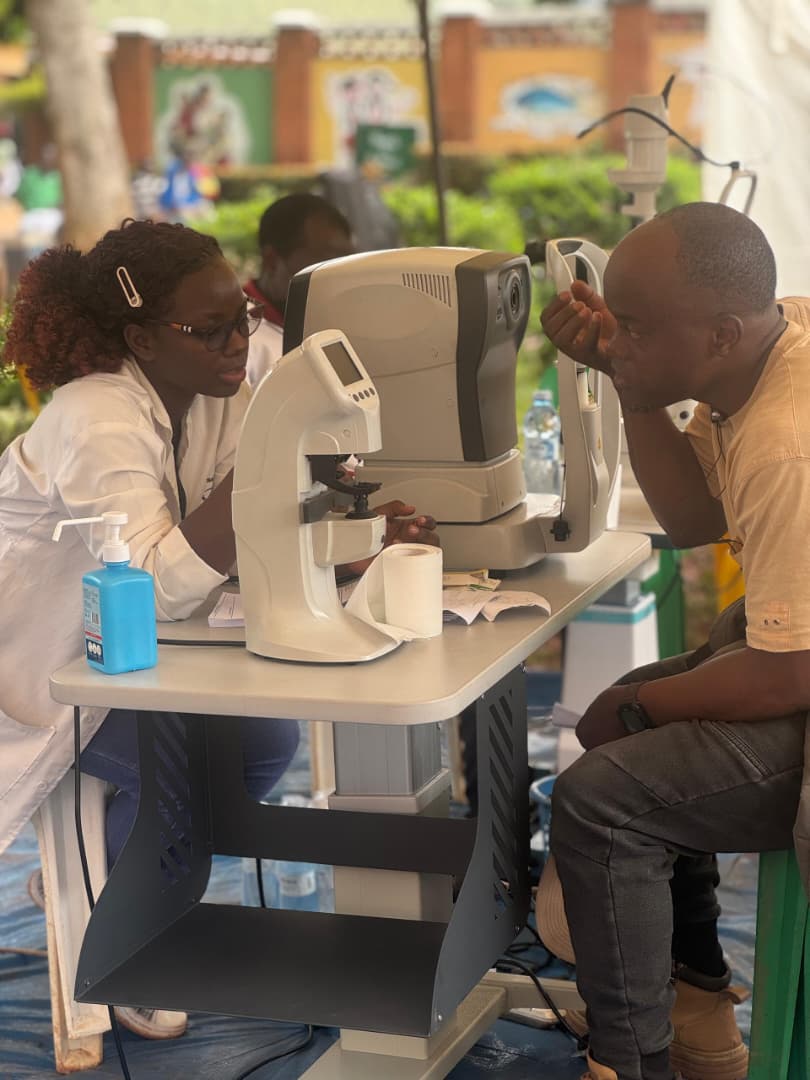
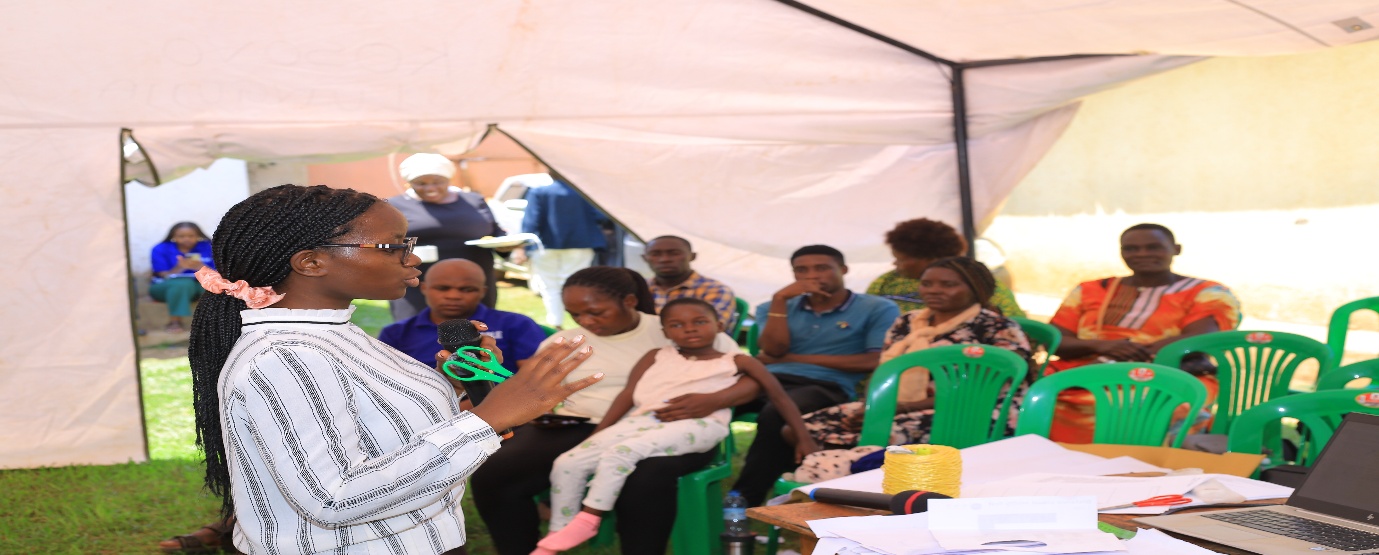
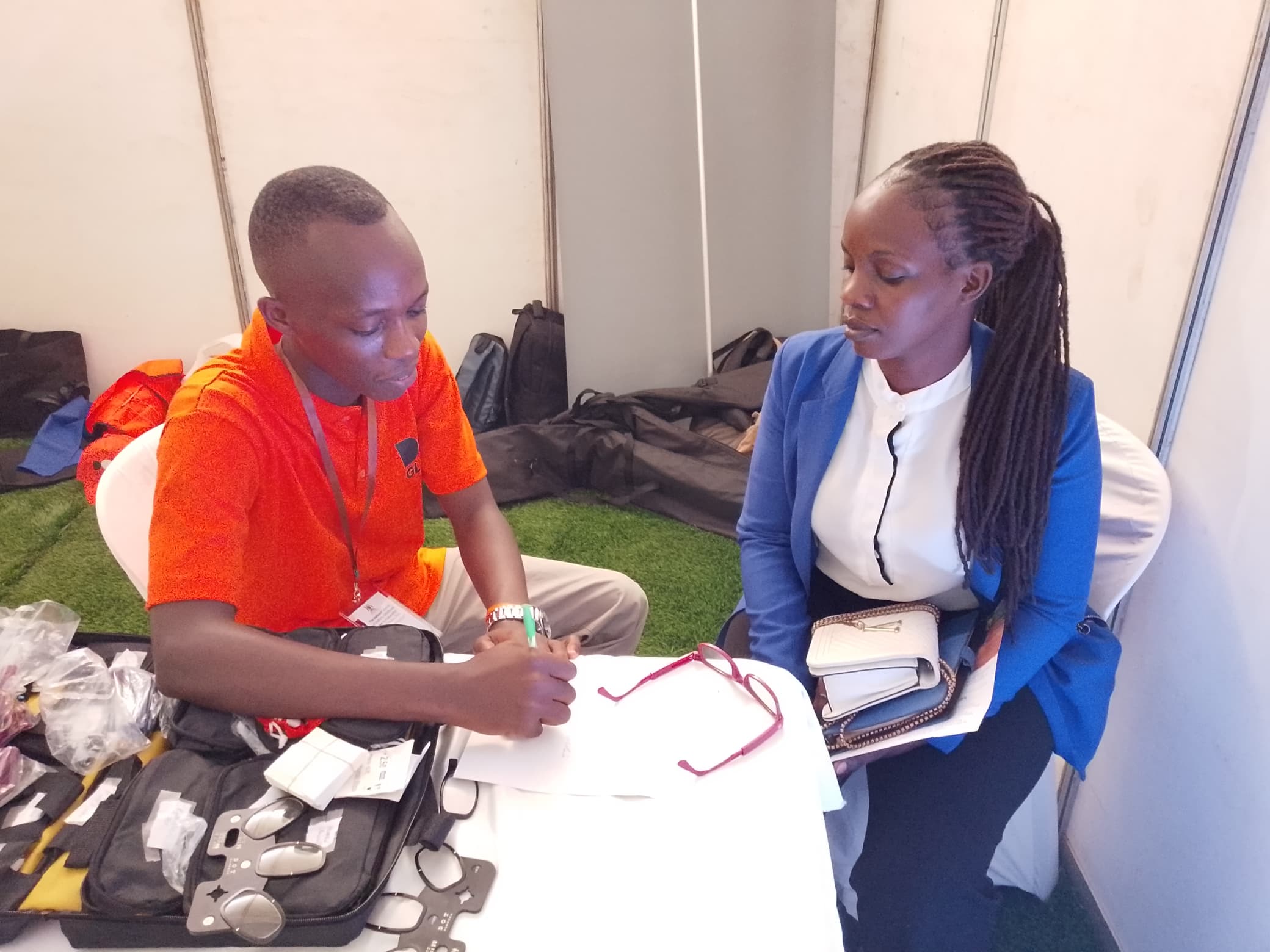
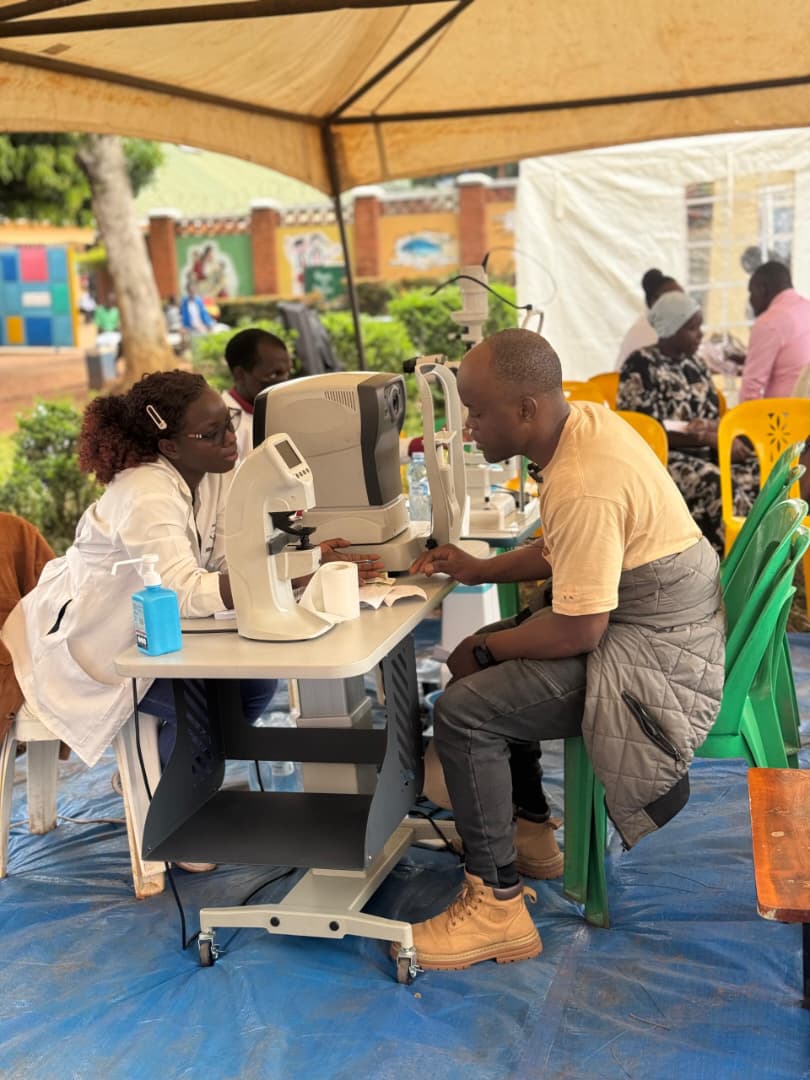
COHEAL trains and equips Village Health Teams (VHTs) and Community Health Extension Workers (CHEWs) to find eye problems early, refer people for care and make sure they get it, conduct health promotion and education, dispense presbyopia glasses, in villages, schools and refugee settlements.
The problem
In some districts it is 5 in 10. About 6% of people live with visual impairment, mostly from causes that can be prevented or treated.
Those causes are ordinary and well understood: cataract, uncorrected short- and long-sightedness, glaucoma, trachoma and river blindness.
Care is far away and expensive for most families. A pair of glasses can cost Shs 500,000 to 800,000 on the open market - many times what a poor household can afford. Eye health receives less than 1% of the national health budget.
The cost is measured in more than sight. Children who cannot see the board fall behind in school. Adults lose work, income and independence. Poor sight makes roads less safe.
Why sight loss goes untreated
Uganda has about 60 ophthalmologists - roughly one for every 800,000 to 1,000,000 people. WHO recommends one for every 250,000.
A pair can cost Shs 500,000 to 800,000 on the open market, many times what a poor household can afford.
Eye health receives less than 1% of the national health budget, so outreach and screening are chronically under-resourced.
Smoke from cooking fires irritates and damages eyes, while poor water and sanitation spread eye infections - and few families get routine eye check-ups.
Why VHTs and CHEWs matter
With so few eye specialists, Uganda cannot bring an eye doctor to every village. But it already has a health worker in every village. Our approach is simple: we give them the skills and tools to protect people's sight, and they deliver as trusted community actors.
Together they close the gap between home and the eye clinic. Most people with poor sight never reach an eye clinic - not because treatment is impossible, but because nobody checked, nobody referred them, or nobody followed up. VHTs and CHEWs fix all three.
How it works
One trained health worker, one simple vision chart and one follow-up visit is often all it takes.
Household visits and school screening pick up people who did not know their sight could be helped.
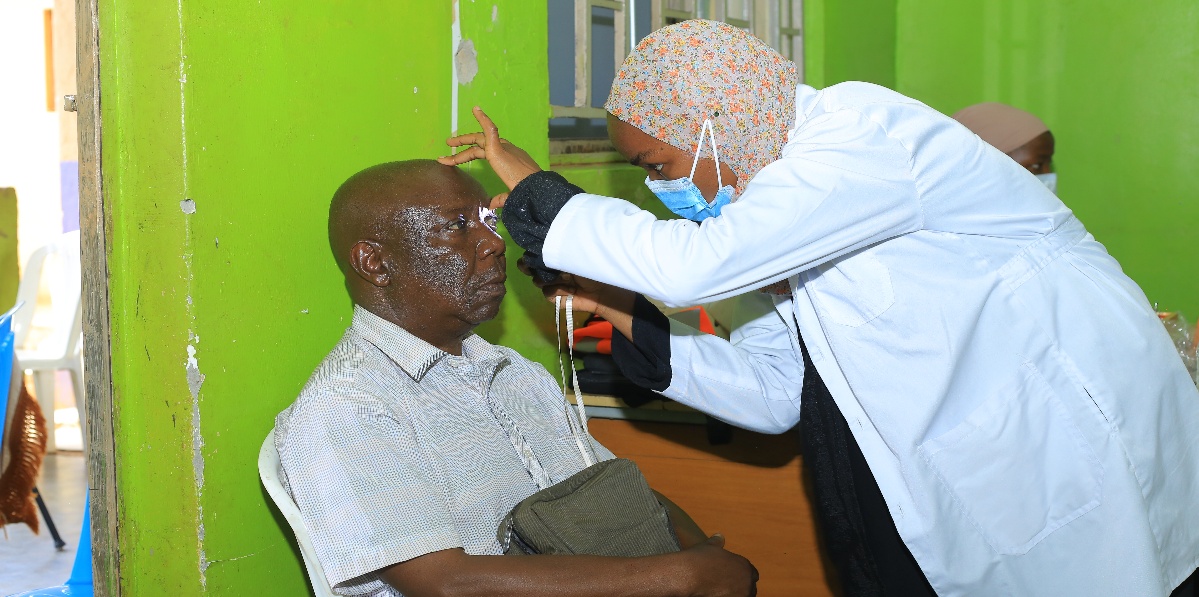
Anyone with a complicated eye condition is referred to an eye unit, with the referral tracked.
Families are helped to reach the clinic - distance, cost and fear are all worked through locally.
Reading glasses are dispensed on the spot; hygiene, face-washing and smoke-free cooking are taught.
VHTs check that referred people actually got care, and record what happened.
What COHEAL does
Community based eye health impact
The same figures appear on our impact page - reported once, used everywhere.
From the field
A trained VHT with a simple vision chart can find dozens of people who need glasses or surgery in a single village. Your support makes that possible.